Smart Power
Smart Power

Digital New Energy
Digital New Energy
Integration Services
Integration Services
Innovation Platform
Innovation Platform
About Us
About Us

Investor
Investor Relations



Cloud-edge collaboration + AI empowerment: Guanrui Digital Intelligence Platform addresses the "four challenges" of virtual power plants
Publication time:2025-04-16
Recently, the National Development and Reform Commission and the National Energy Administration jointly issued the "Guiding Opinions on Accelerating the Development of Virtual Power Plants". The document clearly states that by 2027, the construction and operation management mechanisms of virtual power plants in China will tend to be mature and standardized, and the mechanisms for participating in the electricity market will be improved. By then, the regulating capacity of virtual power plants nationwide is expected to reach over 20 million kilowatts. Looking ahead to 2030, the application scenarios of virtual power plants will be further expanded, various business models will achieve innovative development, and the regulating capacity of virtual power plants nationwide is expected to reach over 50 million kilowatts.
Virtual power plants are the core carriers of new power systems. By aggregating distributed resources to smooth out fluctuations in renewable energy and support energy transformation, they participate in various power transactions as market entities, driving system innovation. Relying on the interconnection of source, grid, load, and storage data, they achieve intelligent dispatch optimization, comprehensively enhancing the operational efficiency of the power system. However, the development and implementation of virtual power plants face multiple challenges: At the market mechanism level, the existing electricity pricing system lacks granularity in pricing flexible resources, the compensation standards in the ancillary services market are low, and the incentive for peak-valley price differences is limited, making it difficult for virtual power plants to cover their aggregation costs through adjustment revenues. The threshold for user-side resources to participate in the market is high, and the definition of responsibilities for decentralized resources is vague, restricting the marketization process. At the technical level, the diverse forms and significant differences in operational characteristics of distributed resources lead to low aggregation response efficiency and insufficient collaborative control accuracy. Ununified access standards, fragmented data protocols, and an inadequate security protection system hinder large-scale operations. At the management level, the connection mechanism between virtual power plants and grid dispatching is still imperfect, and breakthroughs are still needed in cross-provincial transaction coordination and unified market rule formulation. Furthermore, it is necessary to balance technological innovation and system security, and promote business model innovation to unlock the potential of value-added services.
Guanrui Digital Intelligence Platform:
The smart key to solving the challenges of implementing virtual power plants
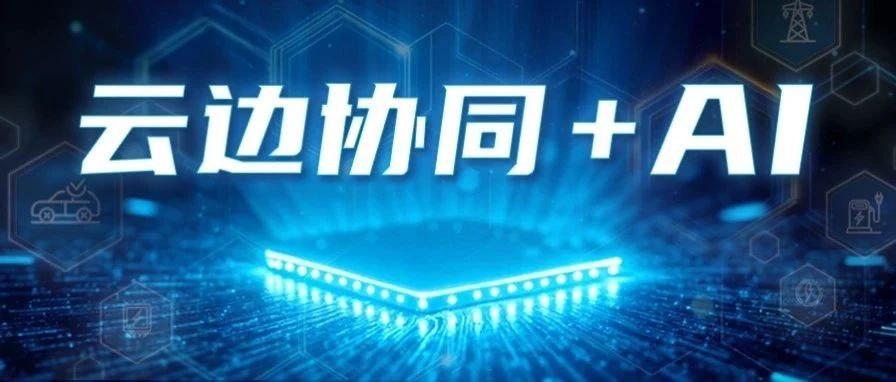
The establishment of Guangzhou Guanrui Digital Intelligent New Energy Technology Co., Ltd. marks Jin Guan's active response to the national "dual carbon" strategy and a pivotal step in the layout of new power systems. As a technology-based enterprise jointly established by Jin Guan and Yidian Bangke, Guangzhou Guanrui Digital Intelligent leverages Jin Guan's hardware advantages in smart grid, charging pile R&D and manufacturing, and microgrid integration, combined with Yidian Bangke's digital expertise in energy data operations, AI algorithms, and cross-industry ecosystem integration, to launch the "One-Stop Solution for New Energy Digital Intelligent Platform". Based on the "cloud-edge collaboration + AI empowerment" technical architecture, this solution integrates multi-dimensional data streams such as photovoltaic, energy storage, and charging, enabling unified control of virtual power plants, microgrids, and V2G platforms. It builds a smart energy system covering the entire "source-grid-load-storage" chain, providing panoramic digital support for the construction of new power systems.
01 Break the dilemma of market mechanism and activate the value of resource pool
The current electricity market faces issues such as low compensation standards for ancillary services and limited incentives for peak-valley price differences, making it difficult to cover the aggregation costs of decentralized resources through existing revenue mechanisms. Especially for user-side resources, the barriers to participating in the market are high, and the definition of resource rights and responsibilities is unclear, severely restricting the progress of marketization.
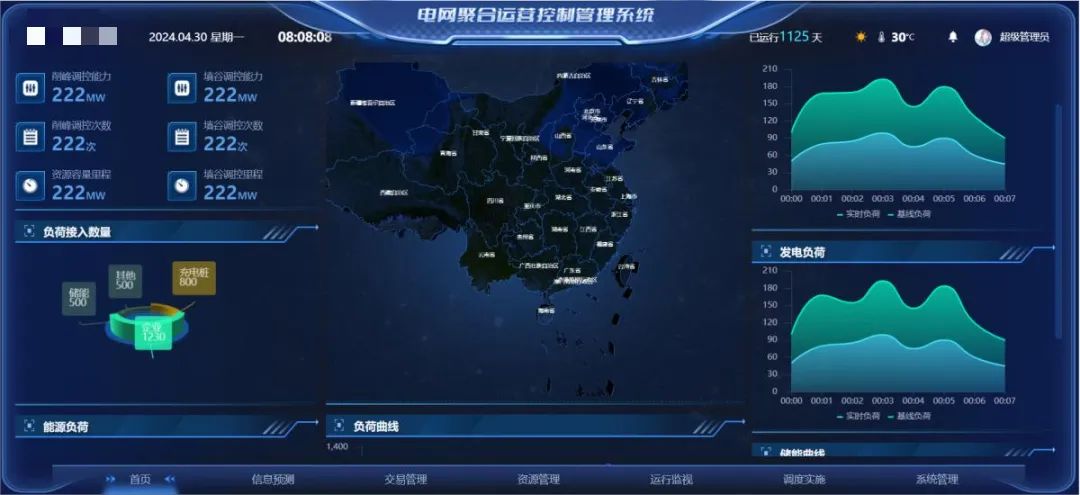
Guangzhou Guanrui Digital Intelligence's virtual power plant platform deeply integrates charging network, microgrid, and energy storage network resources, forming a dispatchable load resource pool. By participating in peak shaving and frequency regulation services of the power grid, it generates value-added revenue. Simultaneously, it innovatively opens up channels for carbon asset management and electricity trading, quantifying the green electricity charging behavior of new energy vehicles into carbon credits. Leveraging the carbon inclusive platform, it realizes the dual value monetization of "green electricity consumption revenue + carbon asset trading". On the operational side, the platform supports a dynamic billing strategy across 48 time segments, combining AI algorithms to predict load and electricity price fluctuations, helping operators maximize peak-valley arbitrage opportunities.
02 Breaking through the bottleneck of response efficiency: AI+ boosts efficiency by 40%
Addressing the pain points of fragmented protocols, weak security protection, and low response efficiency in distributed energy equipment, Guangzhou Guanrui Digital Intelligence Platform has established a three-tier collaborative architecture of "end-edge-cloud": the end side utilizes a stake-level edge computing gateway to accommodate multiple brand protocols and collect over 200 items of equipment data in real time; the edge side integrates environmental monitoring and V2G control modules with station-level servers to achieve millisecond-level response; the cloud side consolidates multiple data streams and establishes an energy dynamic model leveraging digital twin technology. Combined with 20 AI algorithms (including charging prediction and equipment health management), the resource aggregation efficiency is improved by 40%, and the scheduling accuracy exceeds 95%. Furthermore, through a triple protection system of battery safety monitoring, environmental early warning, and blockchain certification, data security and the credibility of carbon assets are ensured. This solution addresses the challenge of heterogeneous terminal collaboration and provides a standardized technical path for large-scale operations.
03 Breaking down cross-domain data silos: Dynamic topological modeling and reconstruction of collaborative paradigms
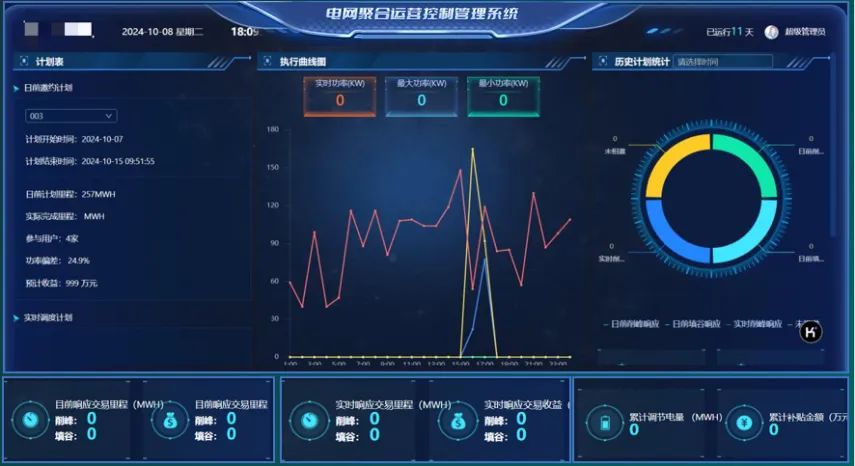
The poor integration between virtual power plants and grid dispatching systems, coupled with the lack of unified cross-provincial trading rules, hinders the optimal allocation of resources across the entire region. Traditional management models struggle to adapt to the dynamic interaction needs of "source-grid-load-storage", necessitating the establishment of a new collaborative mechanism. The "city-level energy collaboration platform" equipped by Guangzhou Guanrui Digital Intelligence Innovation utilizes digital twin technology to construct a dynamic model of grid topology, simulating the operational status and energy flow of microgrids in real time, providing visual support for dispatching decisions. The platform is deeply integrated with the State Grid data platform, establishing a three-tier response mechanism of "provincial dispatching instructions - municipal resource allocation - station control". At the ecological level, it has achieved data connectivity with transportation networks and carbon trading platforms, successfully piloting cross-domain collaboration scenarios such as "charging demand forecasting + traffic congestion mitigation + green power dispatching" in places like Nanjing.
Driven by digital intelligence, accelerate the construction of a new power system
The Guangzhou Guanrui Digital Intelligence Platform has integrated over 270,000 charging pile resources and successfully manages more than 50 charging networks (at the city level). In the demonstration project in Nanjing, the platform effectively achieved peak shaving and valley filling of regional power grid loads, with a reduction of 15%, while simultaneously increasing photovoltaic utilization to 92%. This fully demonstrates the feasibility of large-scale operation of virtual power plants. With the continuous deepening of power marketization reforms, the Guangzhou Guanrui Digital Intelligence Platform will continue to provide support for the construction of new power systems, promoting the transformation of energy transformation from "policy-driven" to "value-driven".
Recommended News
-
2025-11-24
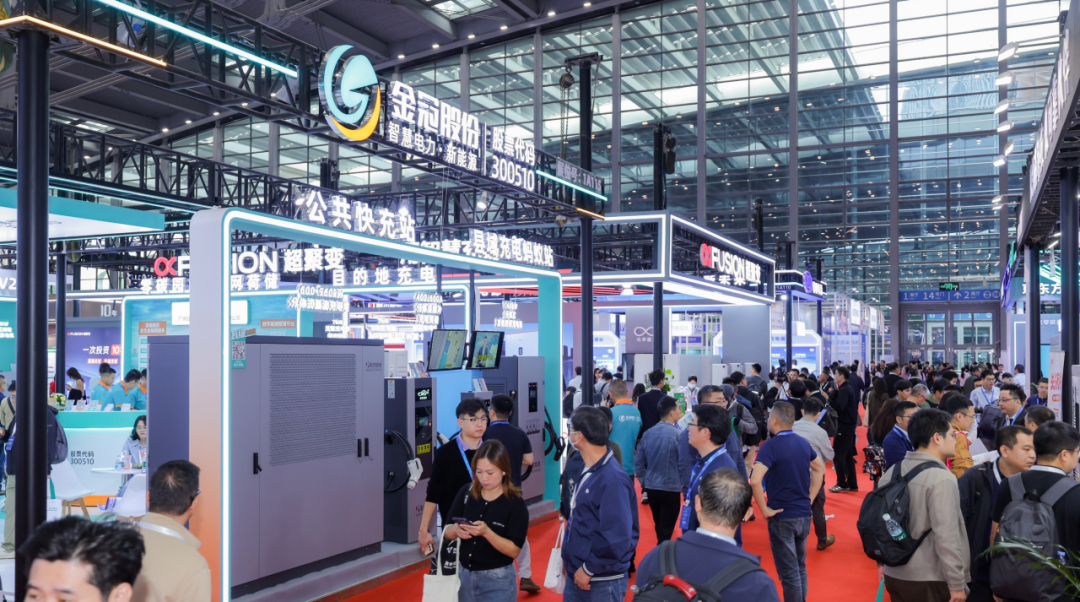
Jinguan shares made a major appearance at the Shenzhen Charging and Swapping Exhibition, with its multi-dimensional layout empowering the electrification transformation of the entire region
-
2025-11-10
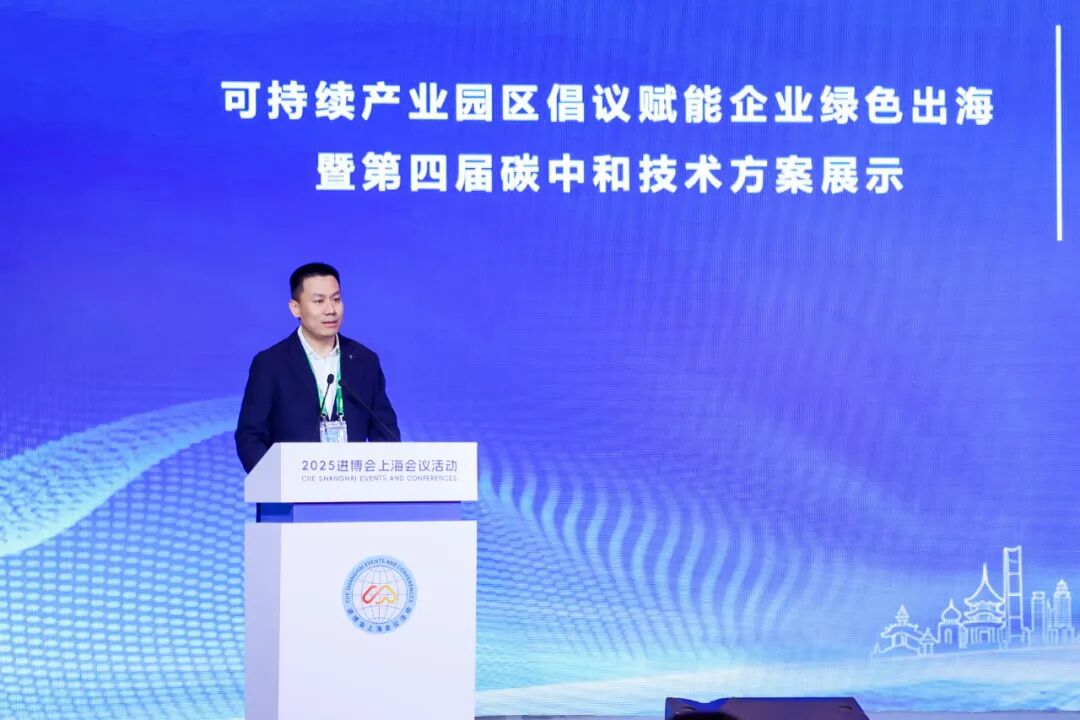
Jinguan Corporation attended an important supporting event of the China International Import Expo, discussing how zero-carbon technology empowers Chinese enterprises to go global in a green way
-
2025-09-19
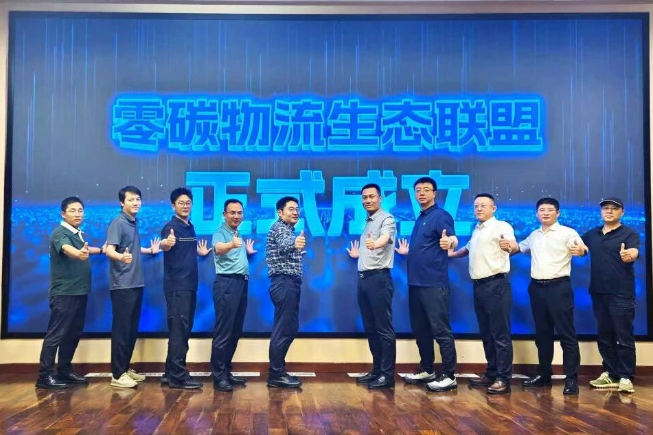
Invite logistics partners for win-win cooperation | The Zero-Carbon Logistics Eco-Alliance is officially established to jointly build a closed-loop service system for the entire electric logistics chain