Smart Power
Smart Power

Digital New Energy
Digital New Energy
Integration Services
Integration Services
Innovation Platform
Innovation Platform
About Us
About Us
Investor
Investor Relations



New policy for waterway charging (or replacing) stations is implemented, with Jinguan's ship charging solution aiding shipping in cost reduction, efficiency improvement, and green, low-carbon transformation
Publication time:2025-06-04
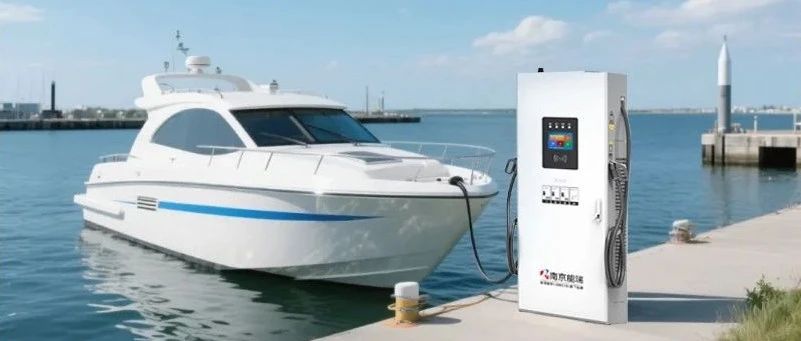
Driven by the "dual carbon" strategy, the green transformation of China's transportation sector continues to deepen. Following the joint issuance of the "Guiding Opinions on Promoting the Integrated Development of Transportation and Energy" by the Ministry of Transport and ten other departments on April 25, 2025, which explicitly incorporated the electrification of ships into the policy support system, relevant departments made a special deployment on May 20 for the construction planning of waterway charging (swapping) stations. The aim is to collaboratively build a "15-minute energy replenishment circle" through the power grid, accelerate the layout of intelligent energy replenishment networks in inland rivers and coastal ports, and promote the green and low-carbon transformation of the transportation system.
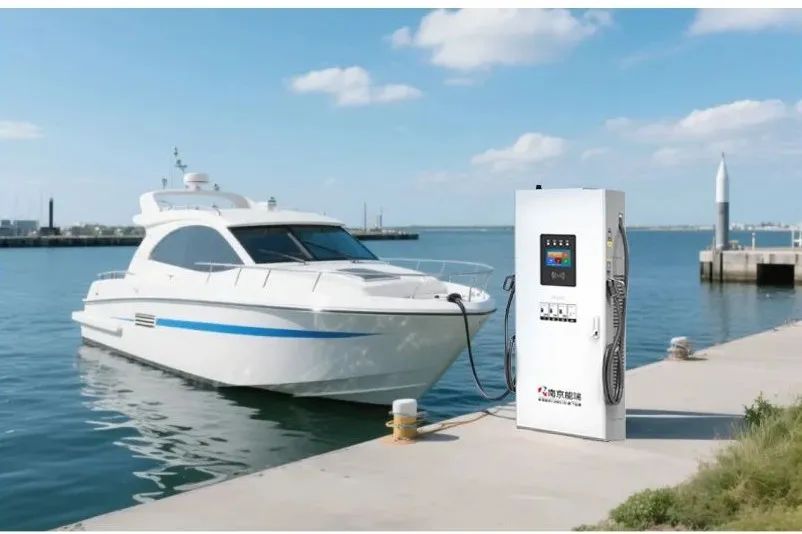
1. Waterway charging and swapping stations: The key to breaking the bottleneck of ship endurance
Maritime charging and swapping stations are key infrastructure for breaking the endurance bottleneck of new energy ships and promoting green and low-carbon transformation. China is accelerating the deployment of an intelligent energy replenishment network centered around inland rivers and coastal ports. By integrating ship manufacturing, battery technology, and power grid resources, it aims to drive cost reduction and efficiency improvement for new energy ships and promote the substitution of clean energy, thereby supporting the "dual carbon" goals. However, as key infrastructure for ship electrification, its development still faces challenges such as inconsistent technical standards, high operating costs, and insufficient coverage.
2. Cost reduction and efficiency enhancement, zero-carbon silent operation: addressing the pain points of green transformation in shipping
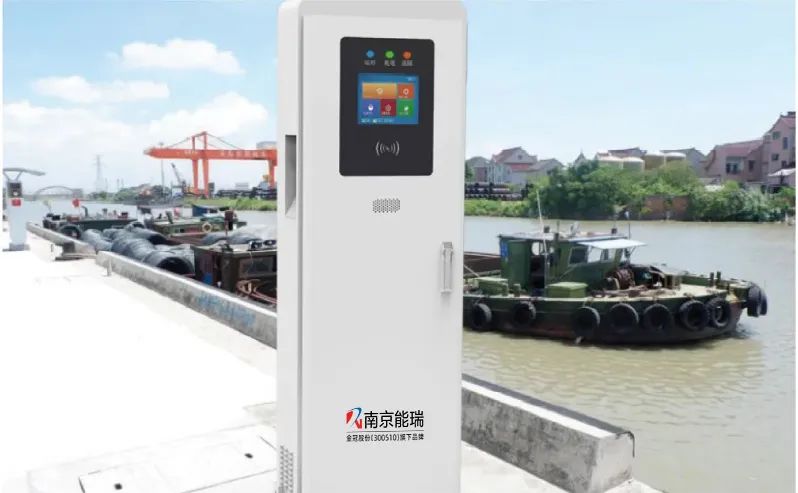
Addressing the prevalent industry pain points of high ship noise pollution, high carbon emissions, and high operating costs, Nanjing Nengrui, a wholly-owned subsidiary of Jinguan Stock (stock code 300510), a national high-tech enterprise that is the earliest in China to specialize in the research, development, manufacturing, contracting, and operation of new energy charging equipment, has leveraged its rich engineering experience and profound technical expertise accumulated over more than a decade in the field of onshore charging and battery swapping. Based on scenario-based innovation, it has launched a comprehensive solution for ship charging, providing an innovative paradigm for ship shore power charging.
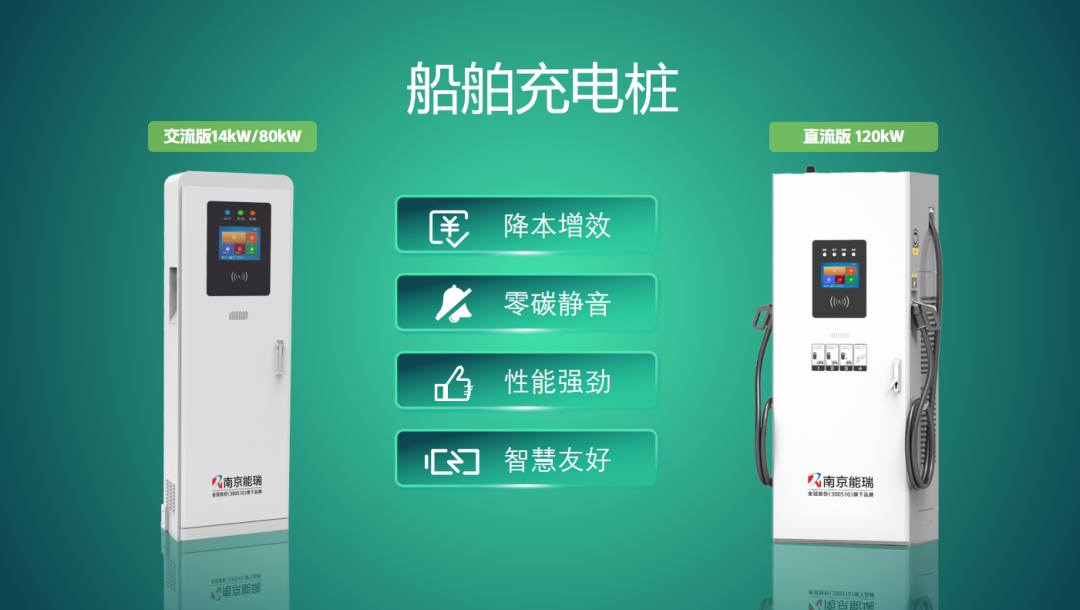
This solution achieves full-process charging monitoring through a dedicated smart charging interface and 4G communication technology, and is equipped with a dual-level emergency stop protection system to ensure safety. It replaces traditional fuel-powered auxiliary engines with electric power, significantly reducing operating costs and pollution. Currently, Nanjing Nengrui has formed a technology product matrix covering mainstream scenarios, building an AC/DC dual-technology product system - 80kW AC shore power piles and 120kW high-power DC shore power piles have been successfully implemented in scenarios such as Dalian Port, leading the industry upgrade with advantages such as efficient energy replenishment and stable operation, injecting technological momentum into green shipping.
Recommended News
-
2025-11-24
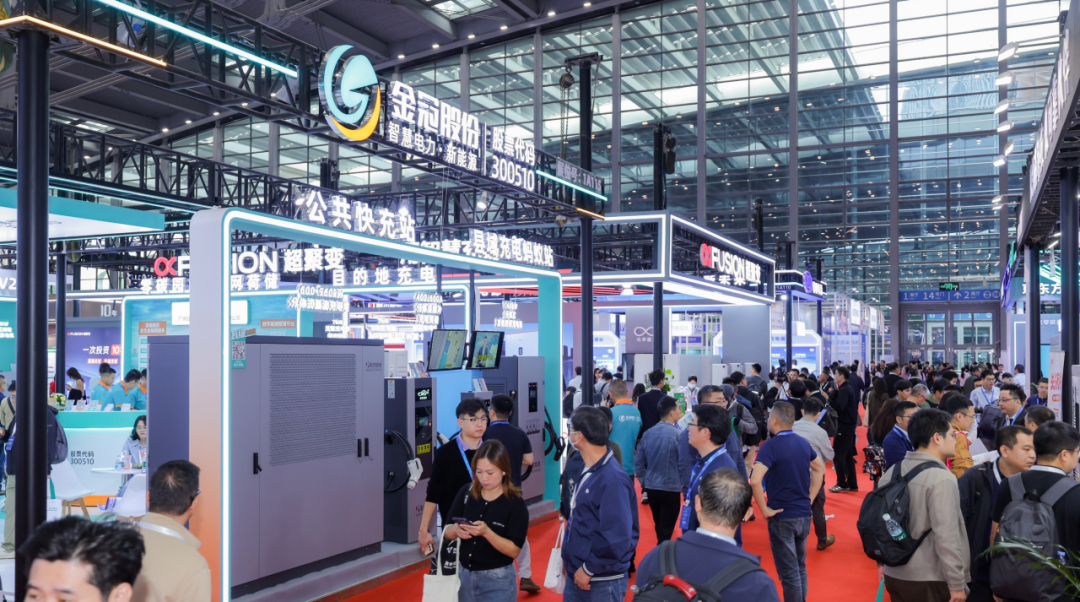
Jinguan shares made a major appearance at the Shenzhen Charging and Swapping Exhibition, with its multi-dimensional layout empowering the electrification transformation of the entire region
-
2025-11-10
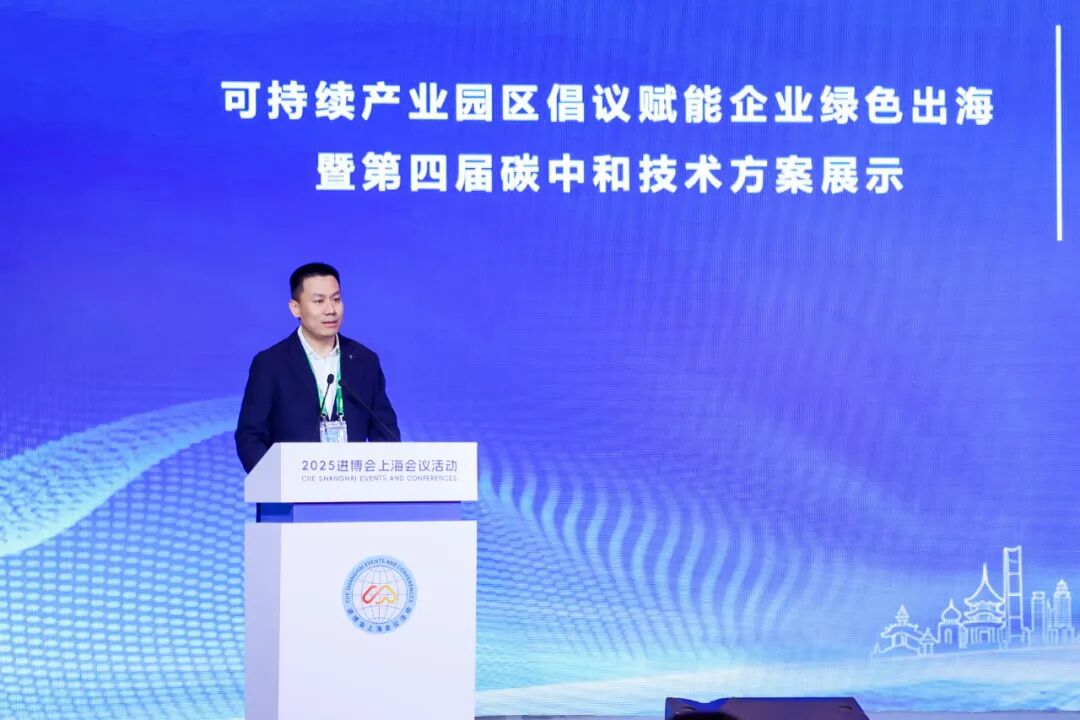
Jinguan Corporation attended an important supporting event of the China International Import Expo, discussing how zero-carbon technology empowers Chinese enterprises to go global in a green way
-
2025-09-19
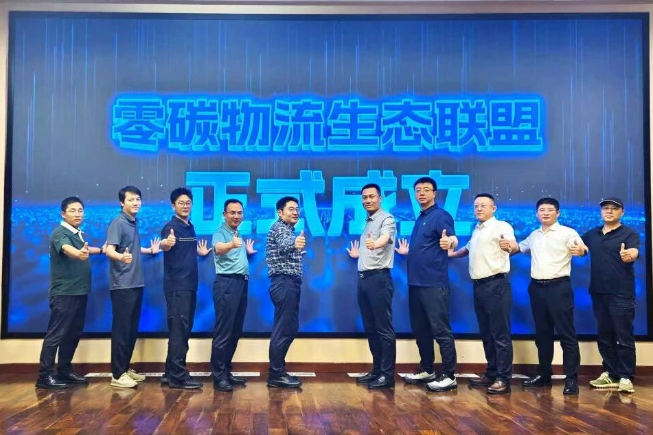
Invite logistics partners for win-win cooperation | The Zero-Carbon Logistics Eco-Alliance is officially established to jointly build a closed-loop service system for the entire electric logistics chain