Smart Power
Smart Power

Digital New Energy
Digital New Energy
Integration Services
Integration Services
Innovation Platform
Innovation Platform
About Us
About Us

Investor
Investor Relations



Hot, hot, hot! Quickly save these precautions for charging new energy vehicles at high temperatures
Publication time:2025-07-29
The dog days of summer have not yet arrived, but the heat is already intense. In early July, the largest and most intense heatwave of the year made its strong debut, bringing unbearable "sauna weather" to many places in both the north and south of China, with local maximum temperatures soaring to 40℃. As temperatures rise, reports of spontaneous combustion accidents involving new energy vehicles are also on the rise, and fires caused by improper charging methods are not uncommon. Don't worry, keep the following six points in mind, and you can safely charge your car during the scorching summer!
01 Recharge the battery after it has cooled down
The optimal operating temperature range for batteries is 20-30℃. Operating within this range ensures optimal battery performance and longest service life. Prolonged exposure to sunlight can cause a sharp rise in the temperature of the power box, leading to battery heating and accelerating the aging and damage of the vehicle's internal wiring. Therefore, it is not advisable to charge the battery immediately after the vehicle has been exposed to sunlight. Instead, it is recommended to wait for the battery to cool down for about 30 minutes before charging.
02 Avoid long-term full charge and full discharge
Leaving the battery in a state of being either fully charged at 100% or nearly depleted to an extremely low charge for extended periods, akin to being "overfed" or "overhungry", can expedite aging and diminish its lifespan. The optimal scenario is to maintain the battery charge within the range of 20%-80%. When fully charged, the internal active materials of the battery exist in a high-energy state, leading to reduced electrochemical stability in high-temperature environments, and posing exponentially higher safety risks compared to a partially charged state.
03 Avoid direct sunlight on charging equipment
When charging, ensure that the charging gun, cable, and socket are placed in a ventilated and shady area, avoiding direct sunlight. Direct sunlight poses a dual risk: it not only accelerates the aging of equipment materials but also may cause insulation damage, short circuit, and fire. As a key device, the charger must be sourced from a reputable manufacturer and placed in a stable and ventilated location. Such equipment typically features good heat dissipation design and overheat protection functions, effectively handling high temperatures and enhancing charging safety.
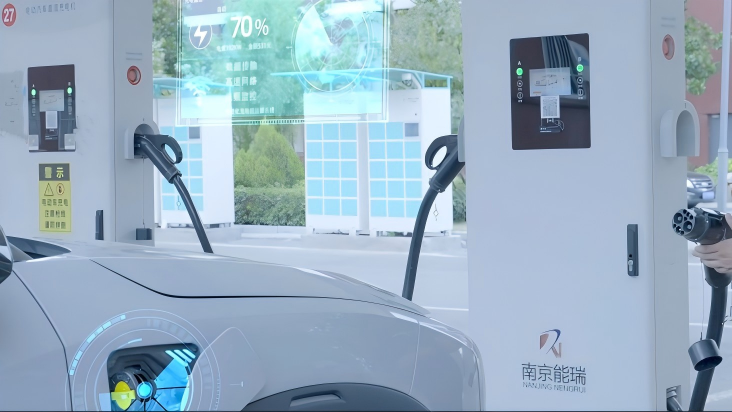
04 Choose a charging pile that meets national standards
Charging piles that do not meet national standards and lack basic information such as manufacturer, model, and serial number are extremely prone to causing vehicle spontaneous combustion or severe battery damage due to safety hazards such as lack of over-temperature protection and unstable voltage when charging in high-temperature environments. As a Class A supplier to the State Grid Corporation of China, Nanjing Nengrui strictly adheres to national standards in the production of its series of smart charging piles, which are equipped with multiple safety protection mechanisms such as automatic power-off at high temperatures and over-current protection, ensuring your charging safety in the summer.
Previous article:
"Gathering Strength, Moving Forward Together" | Jinguan Shares Ecological Co-construction Promotion Event Concludes in Guangzhou, Jointly Drawing the Blueprint for the New Energy Ecology in South China
Next article:Nanjing Nengrui x Kaitai Chi launched "Ant Station", ushering in the era of light asset charging in county areas
Recommended News
-
2025-11-24
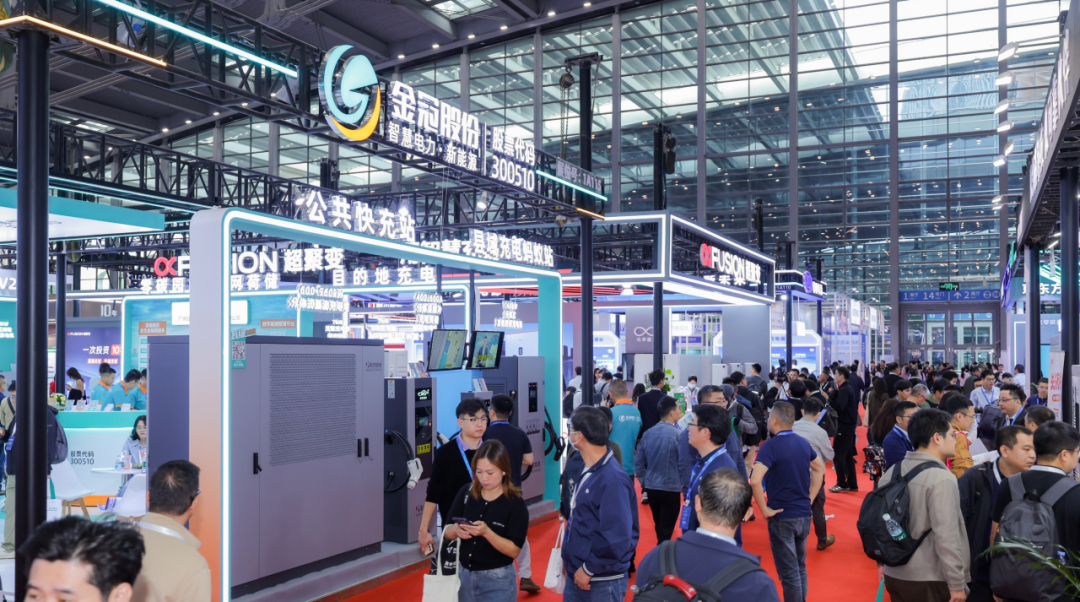
Jinguan shares made a major appearance at the Shenzhen Charging and Swapping Exhibition, with its multi-dimensional layout empowering the electrification transformation of the entire region
-
2025-11-10
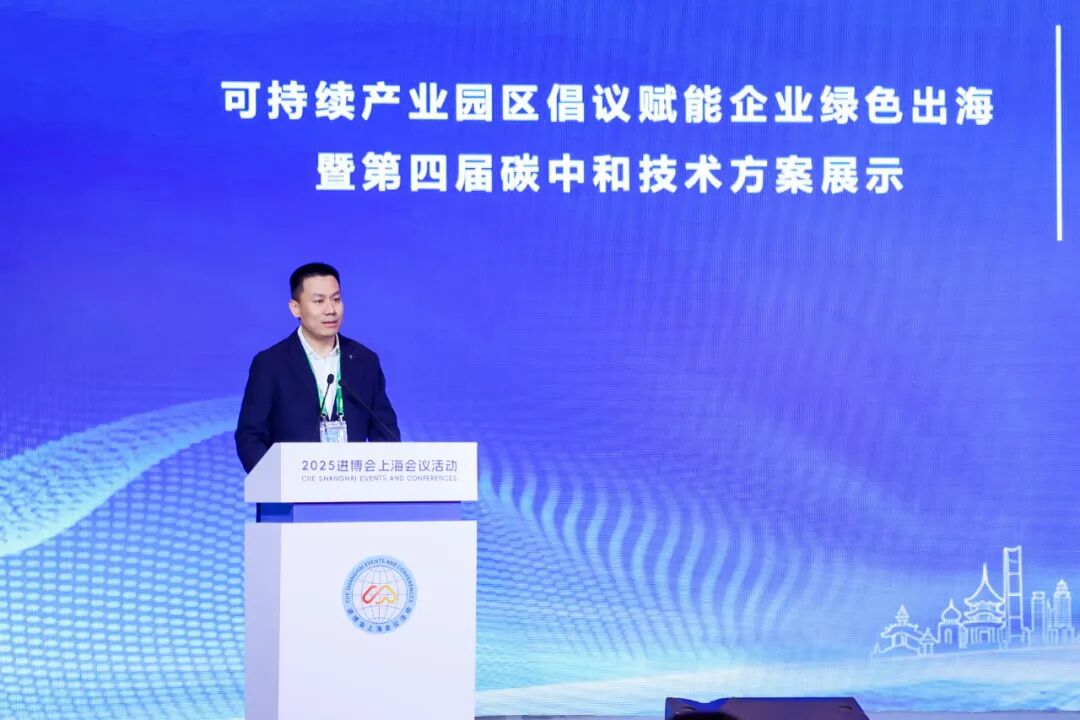
Jinguan Corporation attended an important supporting event of the China International Import Expo, discussing how zero-carbon technology empowers Chinese enterprises to go global in a green way
-
2025-09-19
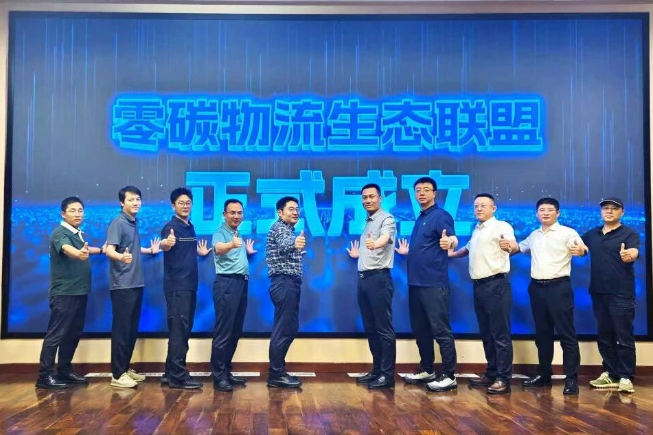
Invite logistics partners for win-win cooperation | The Zero-Carbon Logistics Eco-Alliance is officially established to jointly build a closed-loop service system for the entire electric logistics chain